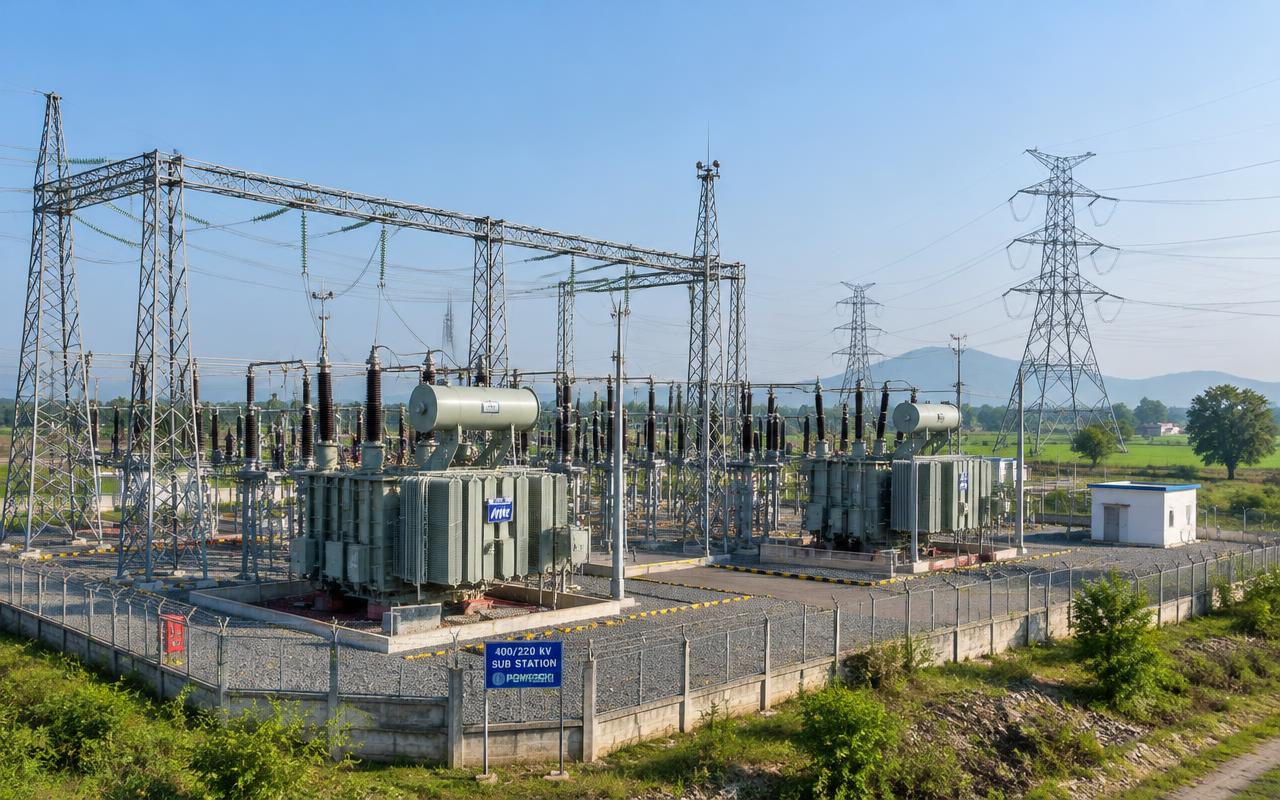
Power Availability Study in India
We confirm substation capacity, feeder routes and timelines with the utility before you commit to a plot.
How our power study works
We confirm substation capacity, feeder routes and timelines with the utility before you commit to a plot. Every engagement starts with your brief: target MW, acreage, latency needs, budget and timeline.
We then screen parcels using utility data, carrier fibre maps, hazard layers and land records, visit shortlisted sites, and give you a clear, scored recommendation.
Deliverables
- Substation load headroom
- HT/EHV feeder routing
- Open-access and green power options
- Connection timeline estimate
The Power Study process, step by step
Five stages from brief to decision. Nothing moves to the next stage until the evidence behind it is written down.
- 01
Load profile
Your MW ramp is translated into a connection request the utility can actually price and schedule.
- 02
Network read
Nearest 66/132/220/400 kV substations, feeder loading and planned augmentation are mapped around the site.
- 03
Utility engagement
We raise the capacity query and track it through to a written position on headroom and timeline.
- 04
Route and cost
HT/EHV routing, right-of-way, bay availability and the likely connection and development charges.
- 05
Options report
Grid, open-access and captive or green options side by side, with what each one depends on.
What you get — and what it protects you from
Every Power Study engagement produces documents you can hand to a board, a lender or a utility. Each one exists to close a specific risk.
In your hands at the end
- Substation load headroom
- HT/EHV feeder routing
- Open-access and green power options
- Connection timeline estimate
Risks it takes off the table
- A plot that only gets its power after your go-live date
- Nameplate capacity already committed to other loads
- Right-of-way problems that block the feeder route
- An open-access or tariff assumption that never clears
The numbers behind every Power Study recommendation
These are the thresholds and checks we apply, not averages. Where a site cannot meet one, we say so and show what it would take to fix it.
- 66/132/220 kV
- voltage levels screened
- Plus 400 kV where campus load justifies it
- N+1
- feeder redundancy tested
- Diverse routes, not the same corridor twice
- 12–24 months
- typical connection lead time
- Varies with the utility and bay availability
- 3–6 weeks
- to a written power position
- From brief to documented utility feedback
What usually goes wrong in Power Study
Most land problems in Indian data-centre projects are not bad luck — they are the same few shortcuts, repeated.
Reading substation nameplate as available power
We net off committed and already-sanctioned loads to establish the headroom you can actually draw.
Planning one feeder and calling it redundant
Redundancy only counts when the two routes share neither a corridor nor a bay; we check both.
Leaving open access to the tariff stage
Eligibility, banking rules and charges are tested while the land is still optional.
Three ways to work with us on Power Study
Start small if you only need a sanity check. Scope is agreed in writing before any work begins, so there are no open-ended bills.
| Engagement | Screening check | Full study | End-to-end mandate |
|---|---|---|---|
| Best for | Testing one parcel or an existing shortlist quickly | A decision you will have to defend to a board or lender | Taking it from brief all the way to signed and registered |
| Typical duration | 1 week | 3–6 weeks | 3–9 months |
| Commercials | Fixed fee | Fixed fee, scoped upfront | Retainer plus a success fee on completion |
| What you receive | A short red-flag note with a go / no-go view | The full pack: substation load headroom, ht/ehv feeder routing and the rest of the deliverables | Everything in the full study, plus negotiation, documentation and closing support |
| Site visits | On request | Every shortlisted site | As often as the transaction needs |
| Exclusivity | None | None | Mandate for the agreed catchment and term |
The rest of the land programme
Power Study rarely travels alone. Most clients combine it with two or three of these, run by the same team on one timeline.
Power Study by city
Frequently asked questions
Power Availability Study is a specialist service to secure power-ready land that meets data-centre needs for power, fibre, zoning and title.
Tell us your MW, acreage and timeline
We reply within one working day with matching parcels and a clear next step.