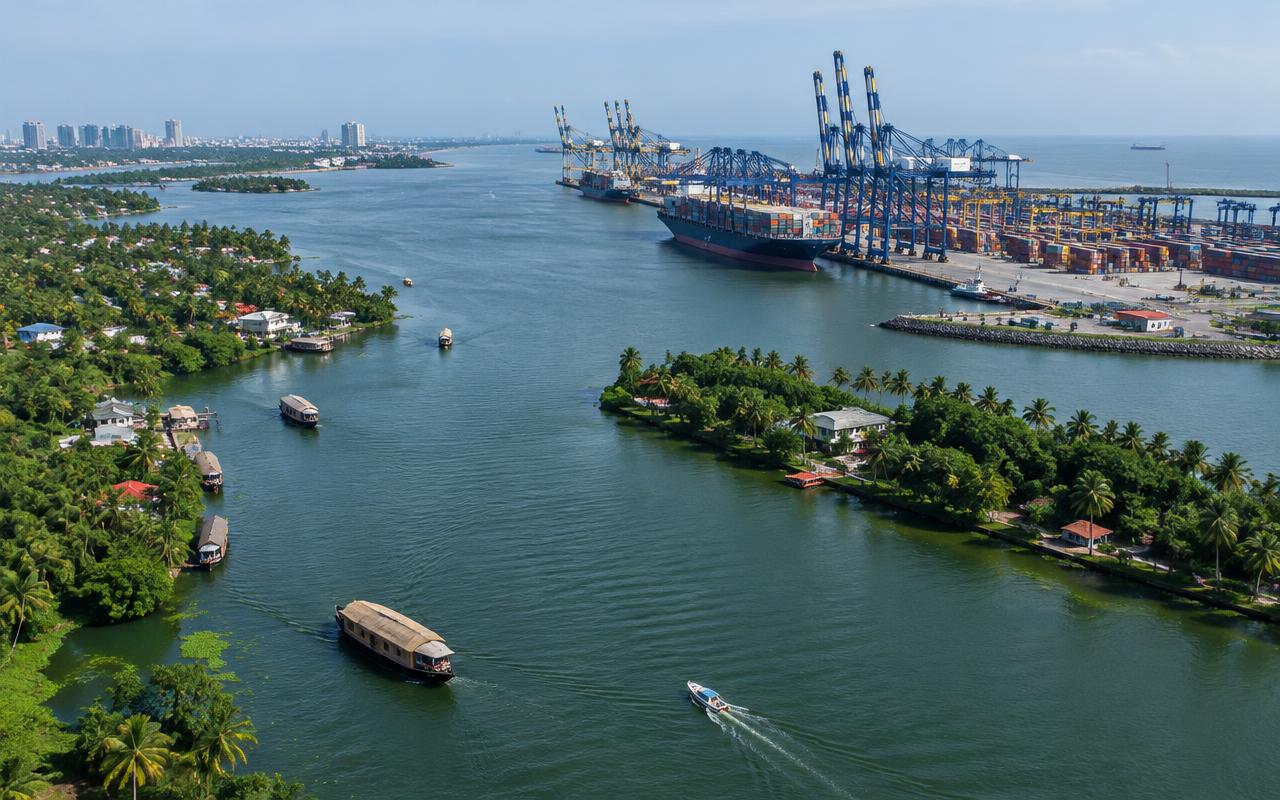
Data Centre Land in Kochi
Kochi is a fast-growing secondary market where land costs are lower and edge and disaster-recovery data centres are expanding. Finding the right plot here means matching power, fibre, zoning and title — that is exactly what we do.
Why Kochi for your data centre
Kochi is a fast-growing secondary market where land costs are lower and edge and disaster-recovery data centres are expanding. Power here is supplied by KSEB, and the region sits on the Kochi–Bengaluru Industrial Corridor. For international connectivity, the nearest major submarine cable landing hub is Kochi.
Our team checks substation headroom, carrier fibre routes, flood and hazard exposure, land-use status and 30-year title history before any parcel reaches your shortlist.
Data centre land services in Kochi
Choose a service to see how we deliver it in Kochi.


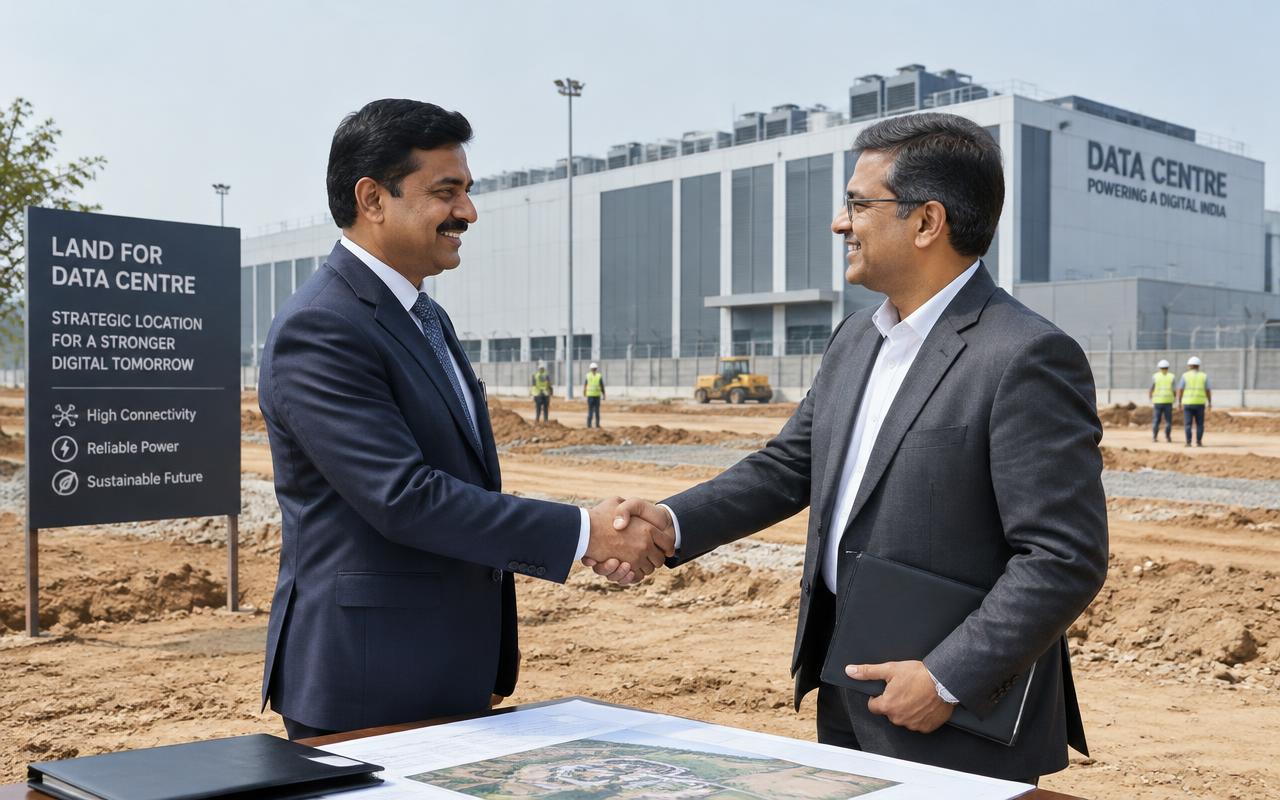
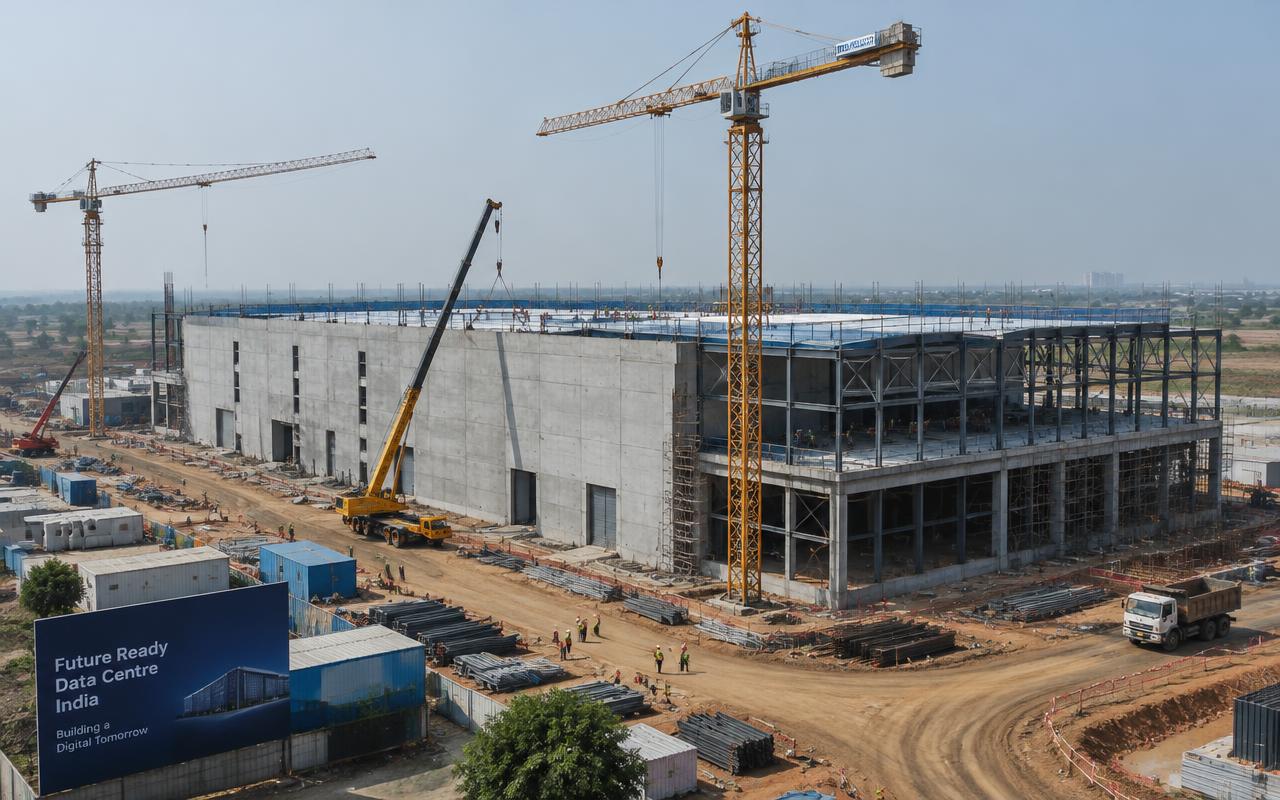
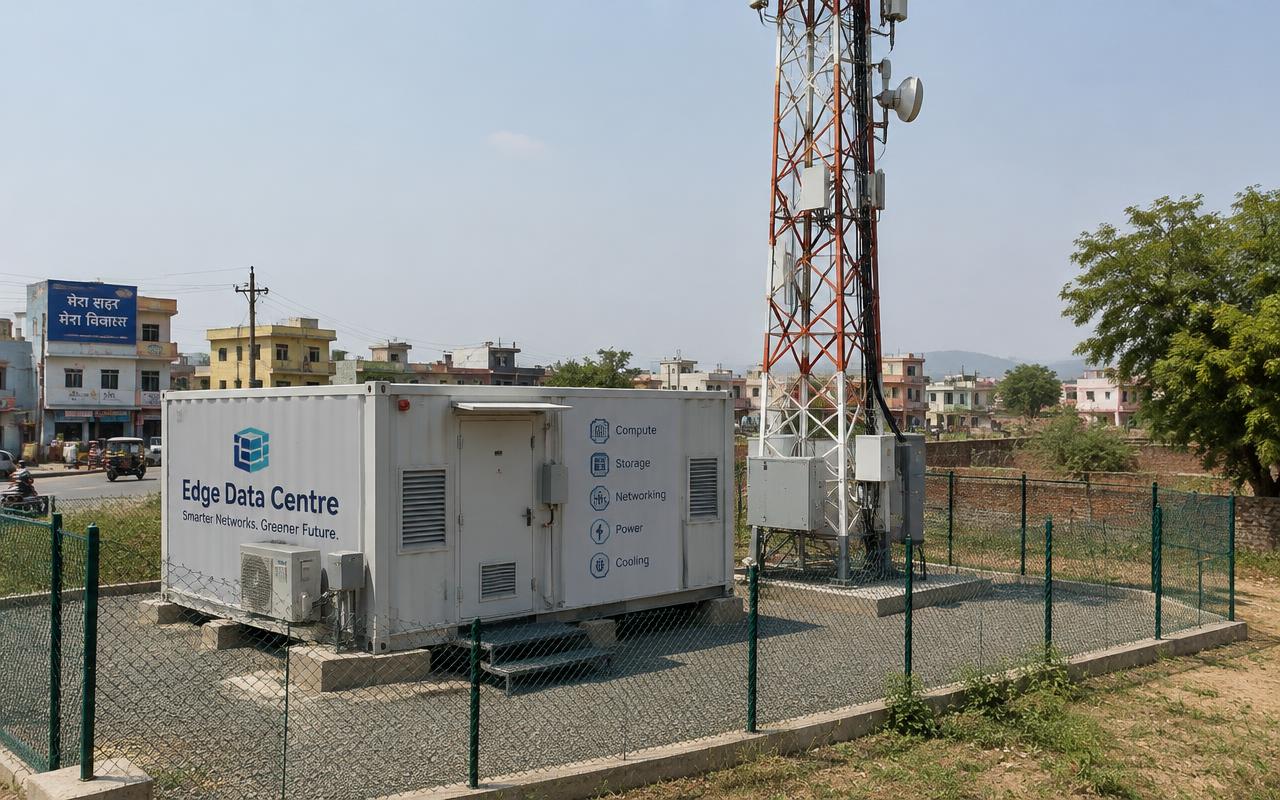
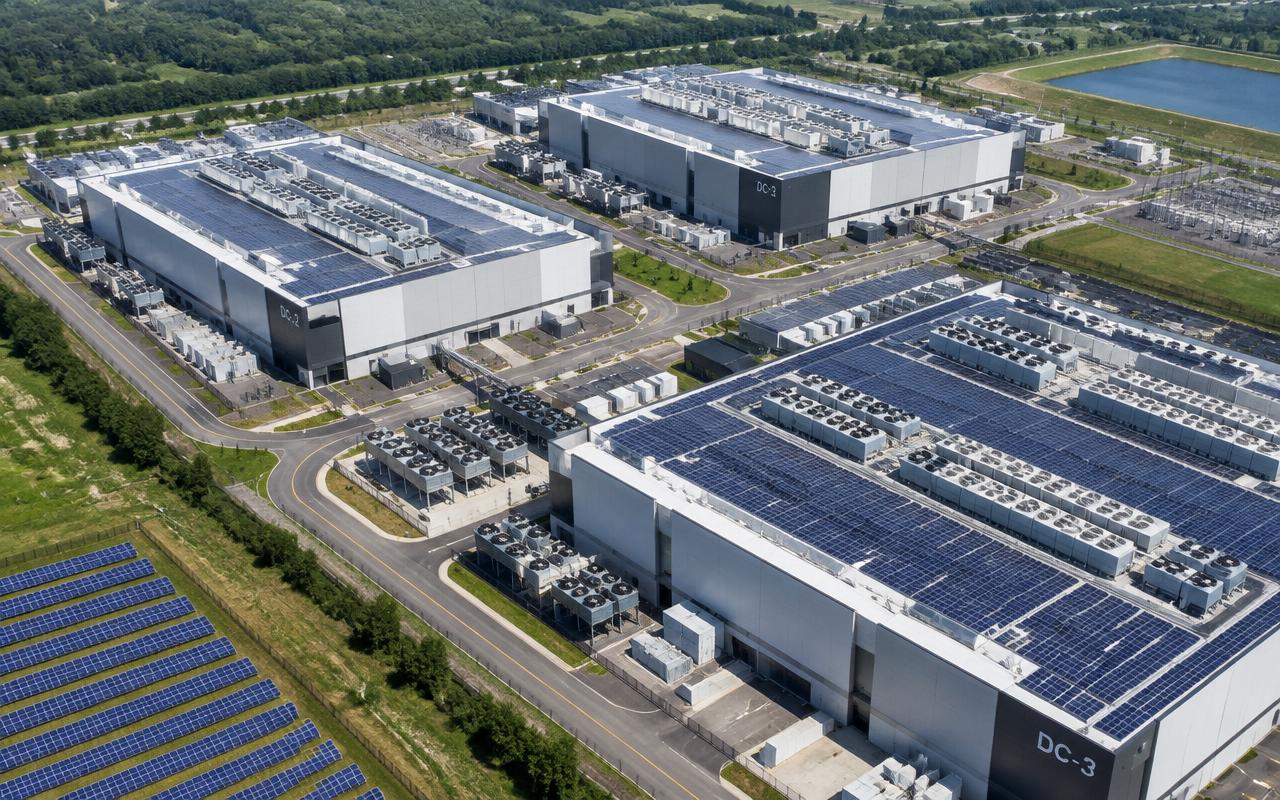

How Kochi scores for a data centre
Here is how Kochi looks against the six criteria that decide whether a data centre can actually be built on a site.
Grid power & substation headroom
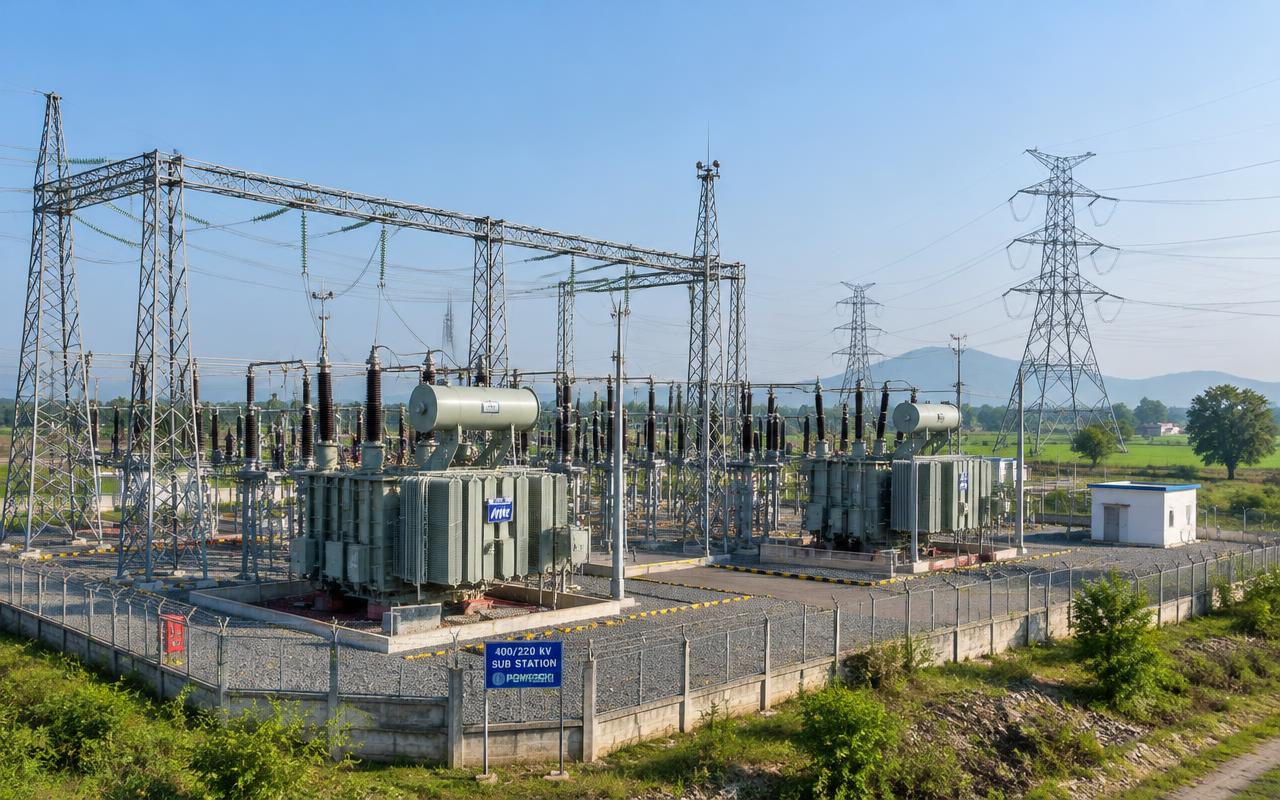
Distribution here is by KSEB. We ask for live headroom at the nearest 66/132/220 kV substation before a parcel is shortlisted.
Fibre routes & carrier choice
We map which long-haul carriers pass the parcel and whether two physically diverse routes exist. Submarine cable landing access is local to the city.
Water & cooling options
South India conditions shape the cooling design. We check municipal supply, borewell permissions and whether an air-cooled or closed-loop design is the safer call.
Hazard & resilience profile
Flood lines, seismic zone, wind and cyclone exposure and risky industrial neighbours are screened across the Kochi catchment.
Zoning & approvals path
Notified industrial land along the Kochi–Bengaluru Industrial Corridor is the quickest route; agricultural parcels need NA / CLU conversion under Kerala rules.
Land cost & parcel availability
Large contiguous parcels are still obtainable around Kochi, usually at a clear discount to the Tier 1 metros.
This is an indicative screening view of the city built from market tier, grid and corridor context — not a survey of any one plot. Every line is re-verified with KSEB, the carriers and the local authority before a parcel reaches your shortlist.
What suits Kochi
Kochi is a Tier 2 market: land and power still have room, which is why edge, enterprise and colocation projects land here first.
Edge & CDN node
Strong fitSmall, well-connected plots that put content and compute close to Kochi users. Proximity to telecom towers and an existing fibre ring matters more than acreage.
Enterprise & disaster recovery
Strong fitA second site at safe distance from your primary region, with its own feeder from KSEB and an independent fibre path.
Colocation facility
Strong fitMulti-tenant halls built in phases. Needs dependable EHV supply, two diverse carrier routes and room for a dedicated substation.
AI & hyperscale campus
Possible with powerOnly works close to transmission capacity. Where Kochi offers a suitable EHV corridor and a credible water strategy, high-density AI campuses become worth studying.
Getting electrons and photons to a Kochi site
Two questions decide whether land in Kochi can carry a data centre: how much power the grid can give you, and how many independent fibre paths reach the gate. We answer both in writing before you commit.
Typical connection path
- 01Load application
Sanctioned-load application lodged with KSEB for the parcel, sized to your phase-one MW.
- 02Capacity confirmation
Written confirmation of headroom at the feeding substation, and the bay position offered to you.
- 03Feeder & bay works
EHV feeder routing, right of way over intervening land, and the switchyard footprint on your own plot.
- 04Energisation
Metering, testing and energisation. Here the civil works, rather than the queue, usually set the date.
Fibre out of Kochi
Kochi is itself the submarine cable landing hub for Kerala, so international routes begin here rather than being hauled in — the lowest-latency position in the state.
- Carriers with existing routes past the parcel, confirmed operator by operator
- Two physically diverse paths, not two cables in one trench
- Latency to the nearest internet exchange and to the landing stations
- Dark-fibre and last-mile build cost to the plot boundary
How we source land in Kochi
Five steps, in this order, every time. The sequence matters: power first, paperwork last.
- 1
Brief and power envelope
We fix phase-one and ultimate MW, acreage, latency tolerance and whether you intend to buy, lease or build-to-suit in Kochi. Everything downstream follows from the power number.
- 2
Catchment screen across Kochi
We build a long-list across Kochi and its periphery — industrial estates, IT parks, brownfield plots and convertible land — and score every one of them.
- 3
Utility and carrier verification
Substation headroom and feeder routing confirmed with KSEB; carrier presence, diverse routes and latency to the Kochi hub confirmed with the operators themselves, not from a brochure.
- 4
Legal and technical due diligence
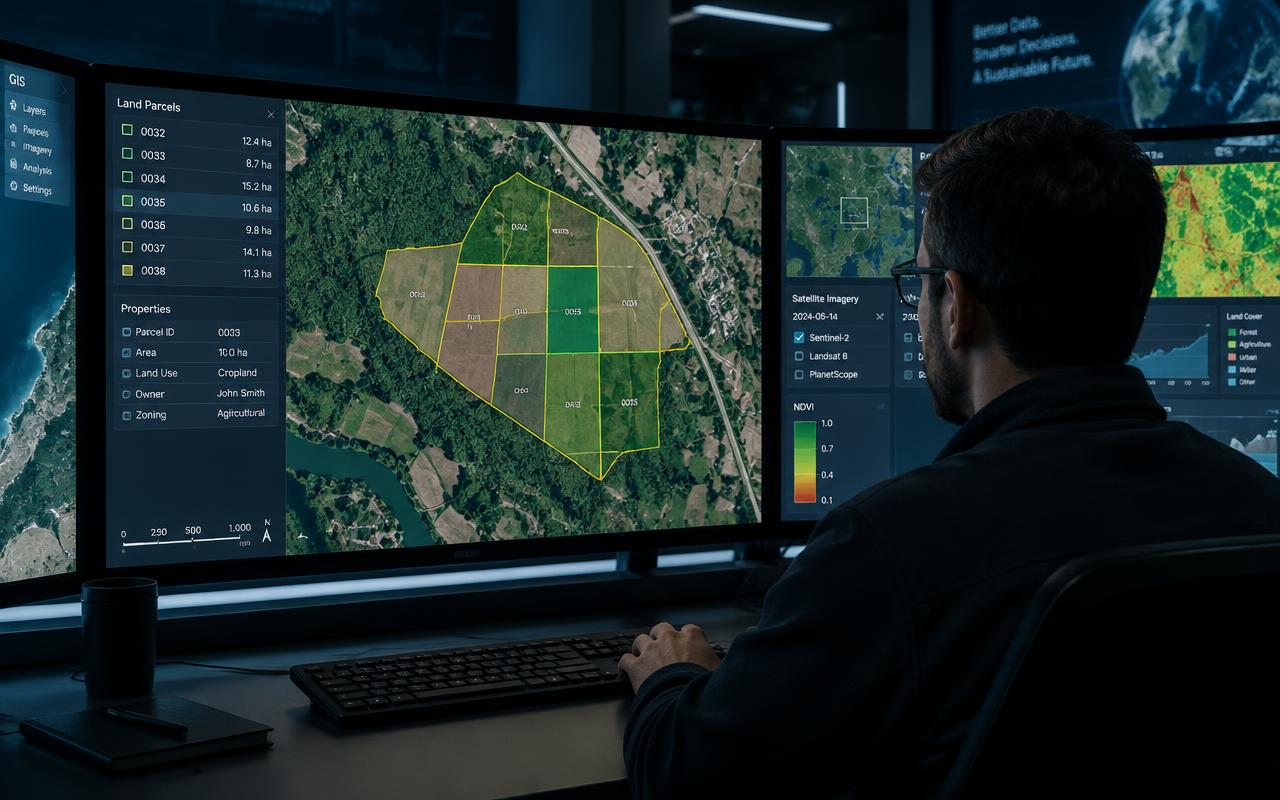
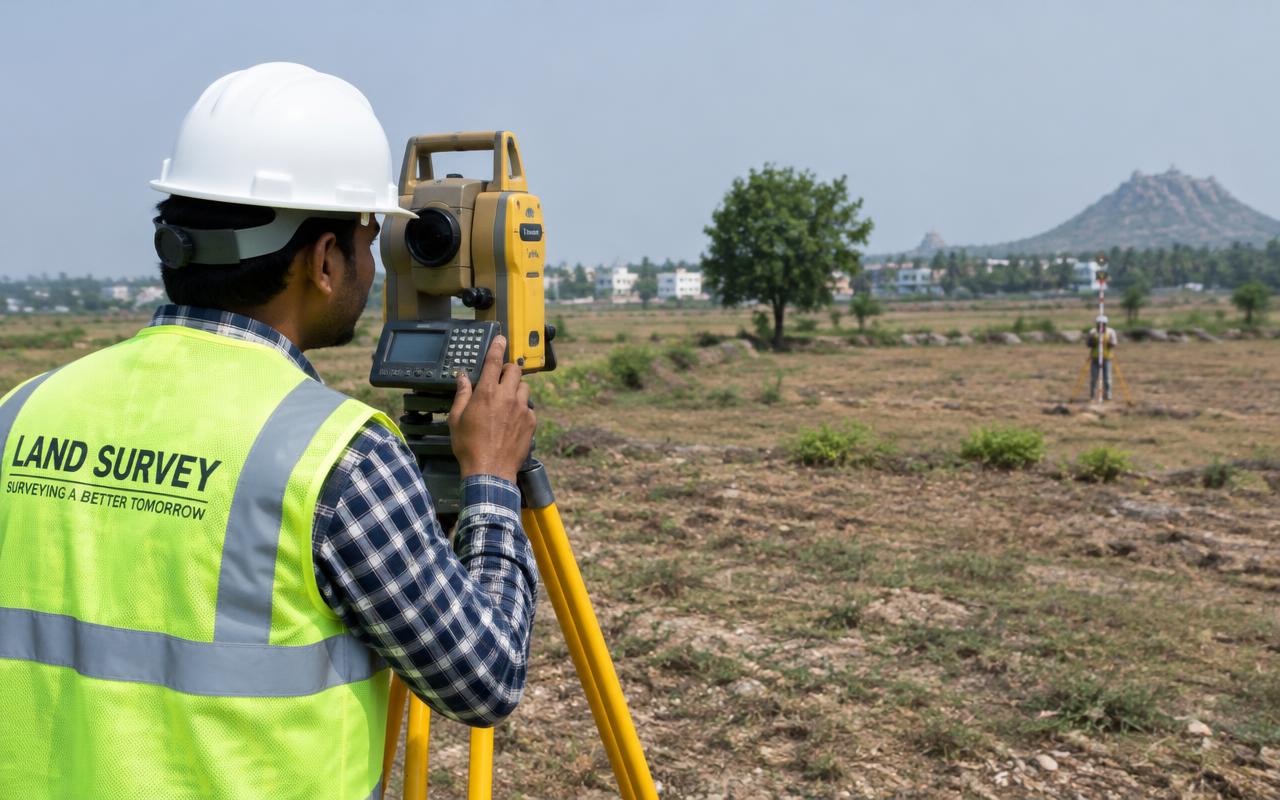
30-year title search, encumbrance and litigation checks, boundary survey against the Kerala revenue records, soil and geotechnical review, flood and hazard screening, and land-use status.
- 5
Structure, negotiate and close
We negotiate directly with owners and, where relevant, with the state industrial body. A clean, already-converted plot can close in 6–12 weeks; aggregation or conversion typically runs 4–9 months.
Typical deal shapes in Kochi
How you take the land matters as much as which land you take. These are the four structures we see most often in Kochi.
| Structure | Upfront capital | Time to control | Best suited to | Watch-outs |
|---|---|---|---|---|
| Outright purchase Common in Tier 2 markets | Highest upfront | 6–12 weeks if already converted | Operators who want the asset on balance sheet and full freedom to expand | Stamp duty and registration costs in Kerala; title must be clean across 30 years |
| Long-term lease | Low upfront, ongoing rent | 4–10 weeks | Capital-light rollouts and plots inside industrial estates or IT parks | Lease term must outlast your depreciation; confirm sub-lease and mortgage rights |
| JV with landowner | Shared | 3–6 months | Large parcels whose owners want long-term upside instead of a one-time sale | Control, exit and dilution terms, plus the partner's own title and tax position |
| Built-to-suit | Developer-funded | Land in weeks, shell in 12–18 months | Teams who want a shell and power yard delivered to spec, not a construction programme | Spec drift and hand-over milestones; lock the power-delivery date in writing |
Timelines assume a willing seller and clean title. Aggregating several holdings or converting agricultural land in Kerala adds materially to every row above.
Kinds of land we look at around Kochi
The fastest route in Kochi is usually a notified industrial plot. The best value is often convertible land or a brownfield site — if the approvals and the grid line up.
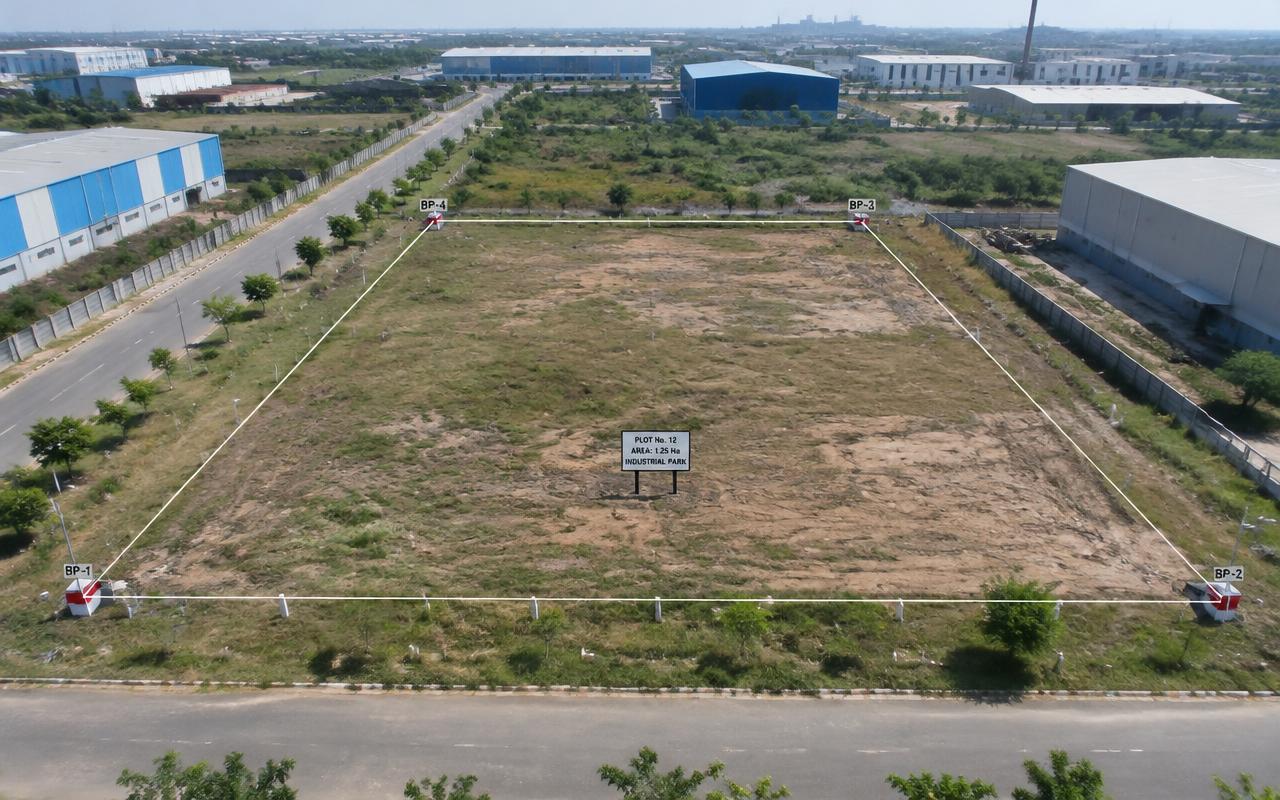
Industrial Land
Notified industrial plots with heavy-load roads and grid access — the fastest path for most data-centre builds.
SEZ Land
Special Economic Zone plots with duty and tax benefits, suited to export-oriented cloud and hosting operators.
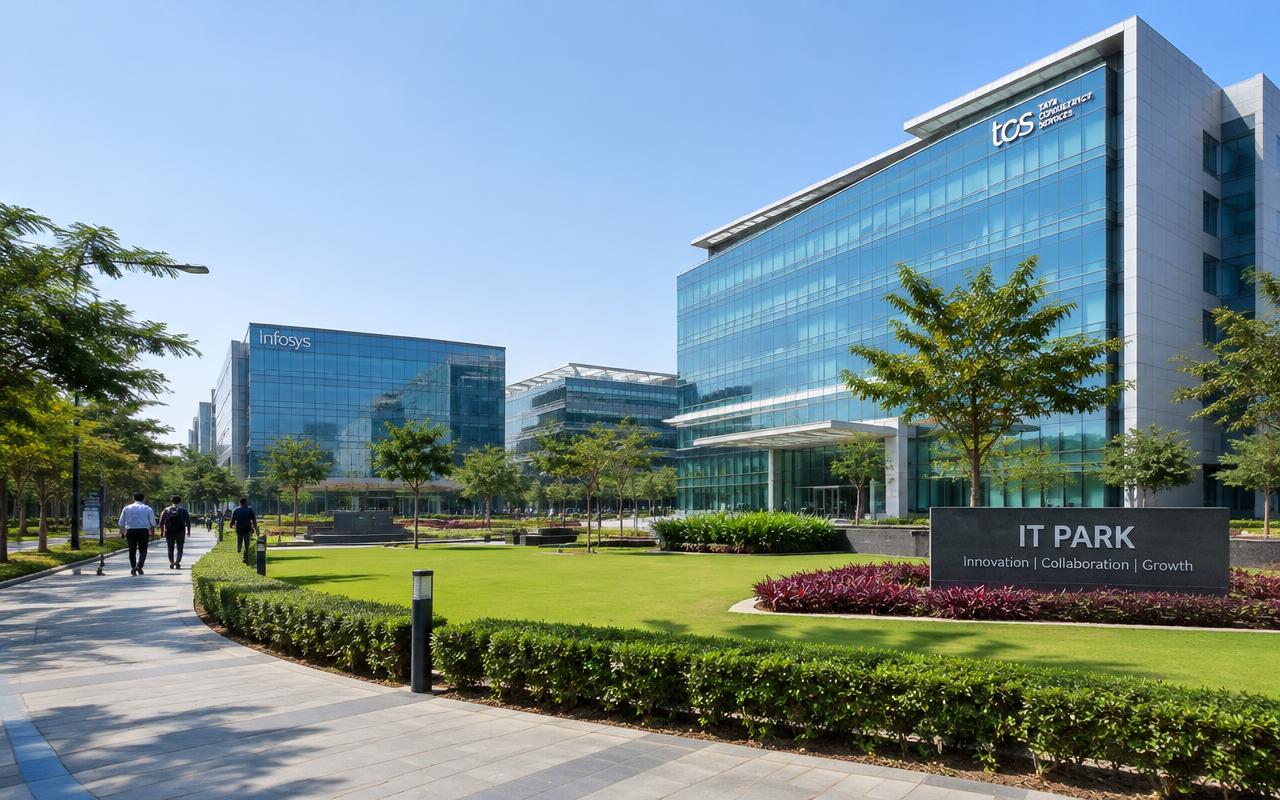
IT Park Land
Plots inside IT parks with ready fibre, approvals and a clean planning record.
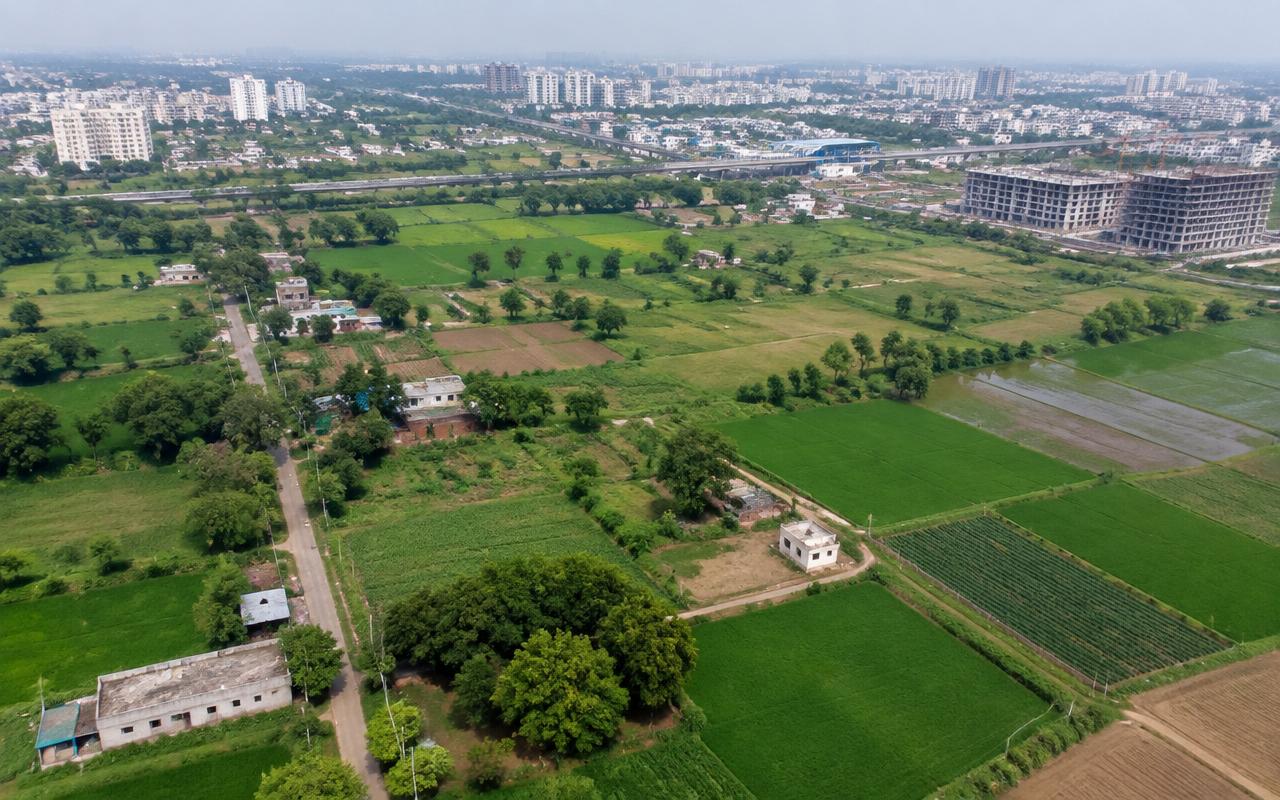
Agricultural Land Conversion
Lower-cost farmland converted to non-agricultural use — great value with the right approvals strategy.
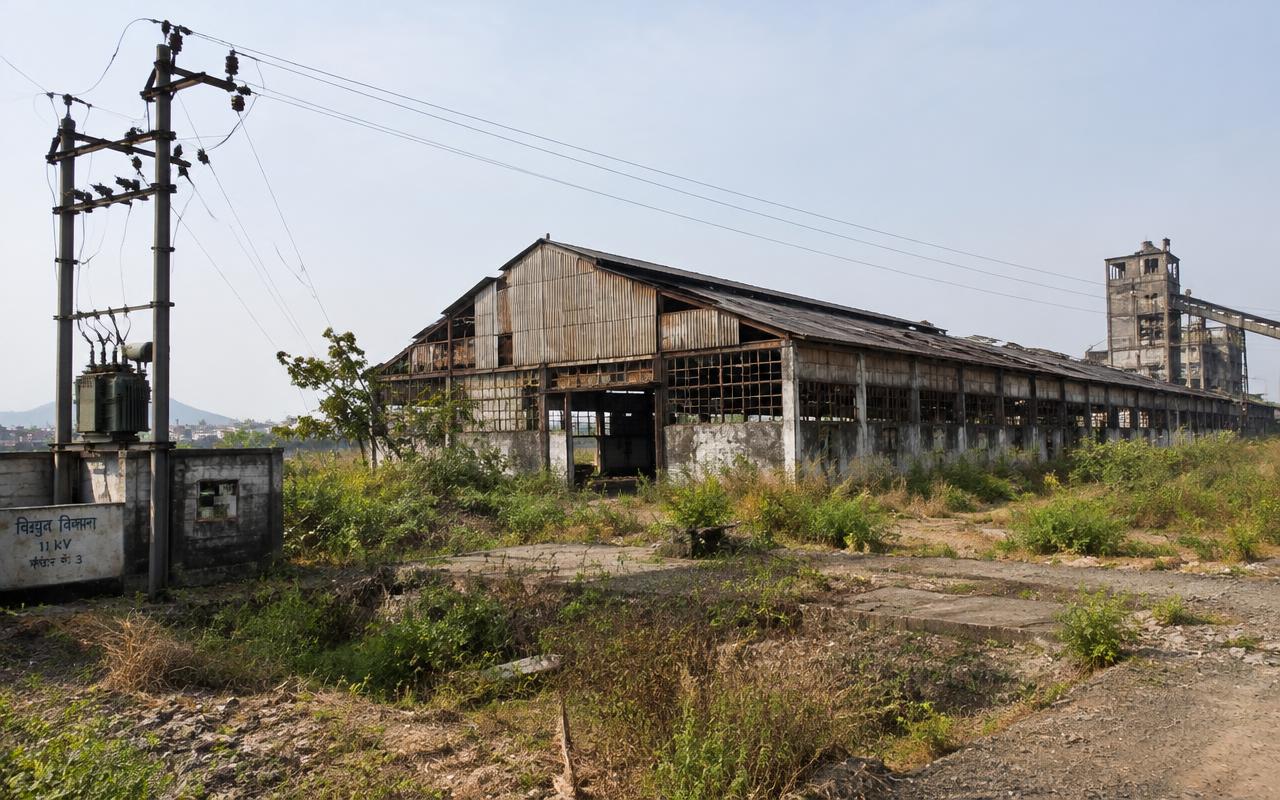
Brownfield Sites
Old factories and warehouses with existing power connections that can be re-used for data centres.
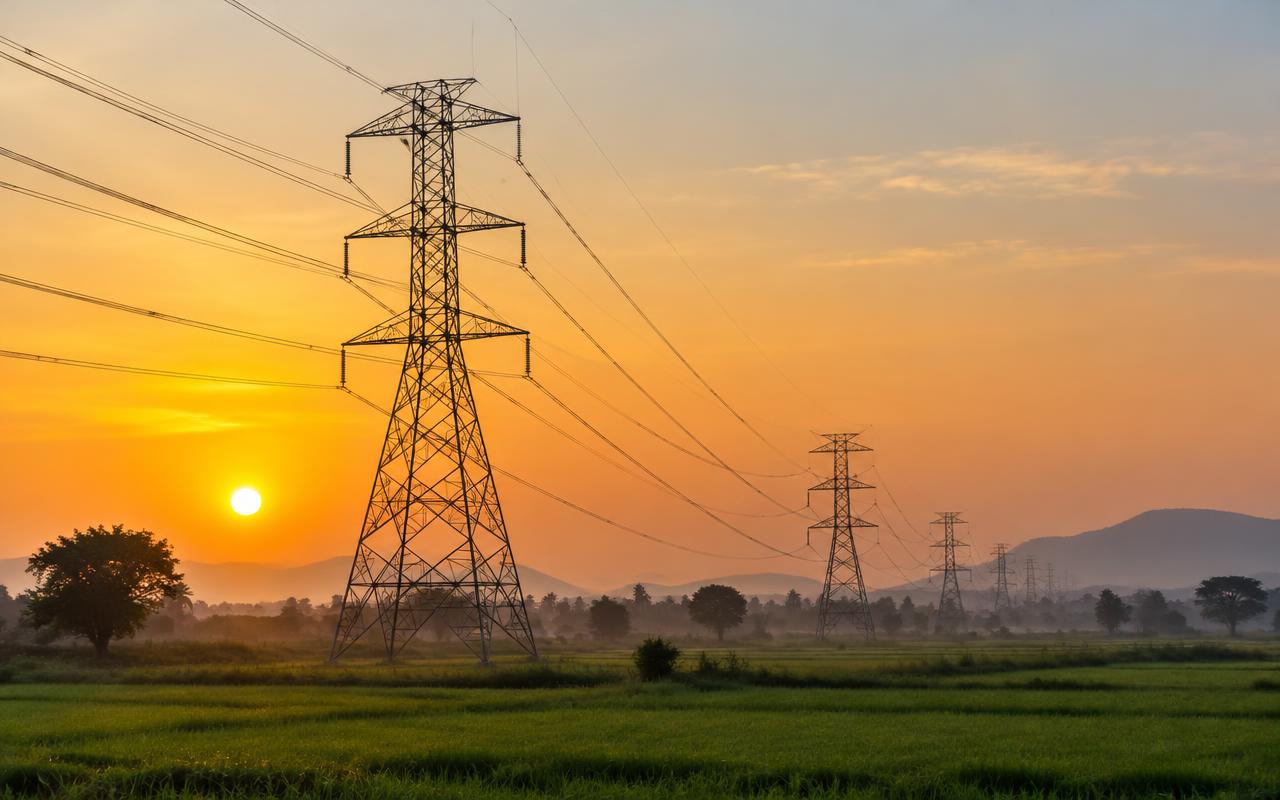
Power-Ready Land
Parcels next to 132/220/400 kV substations where large power can be connected quickly.
Data centre land in Kochi: FAQs
Kochi is a fast-growing secondary market where land costs are lower and edge and disaster-recovery data centres are expanding. The final answer depends on power availability from KSEB, fibre routes and your latency needs — we confirm all three before recommending a parcel.
Nearby data centre land locations
Tell us your MW, acreage and timeline
We reply within one working day with matching parcels and a clear next step.